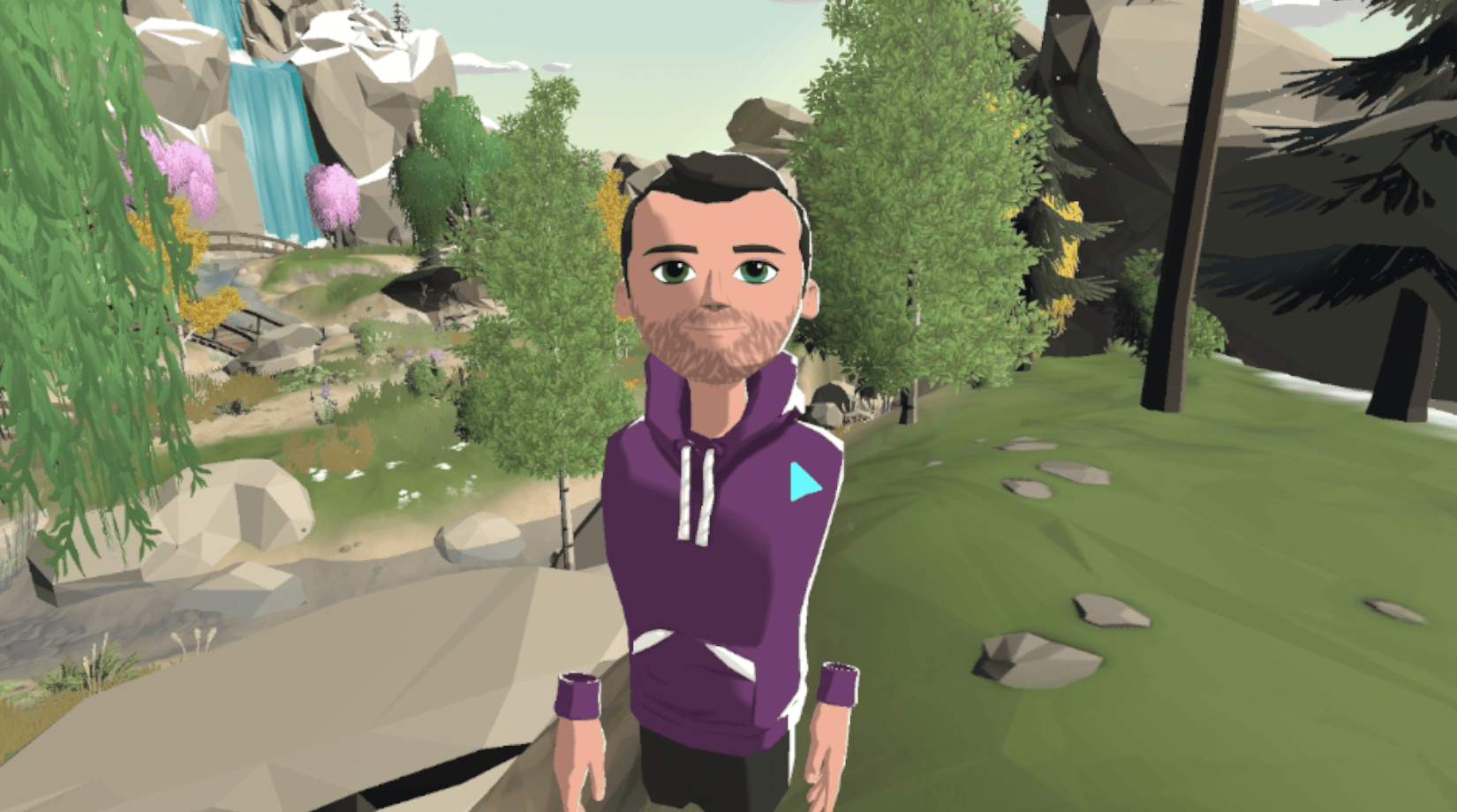
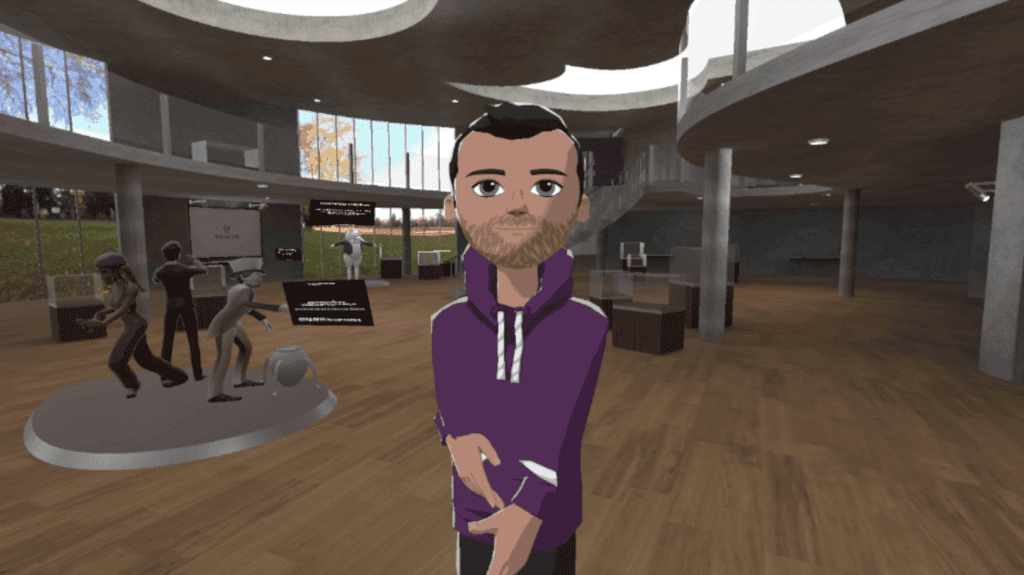
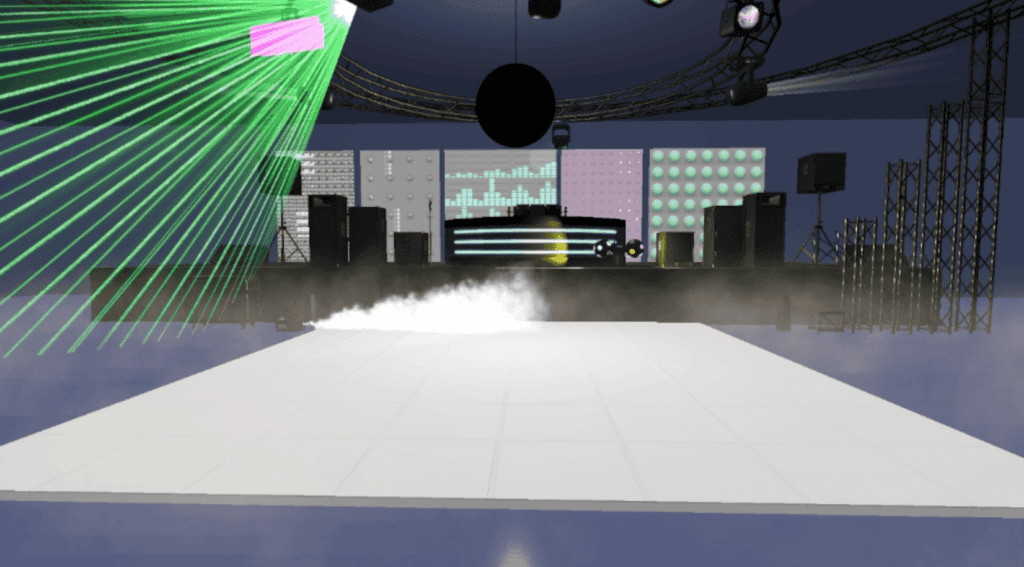
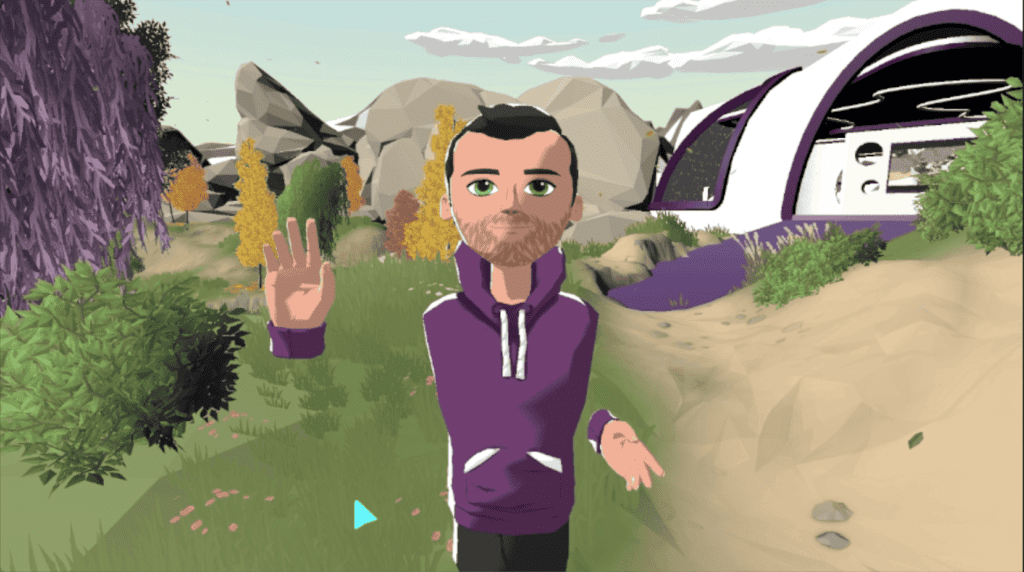
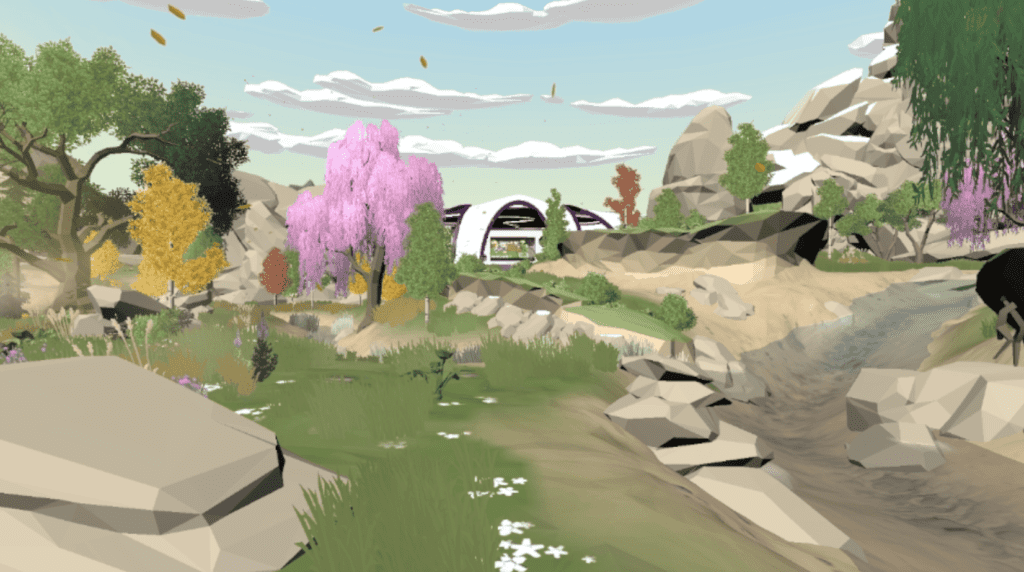
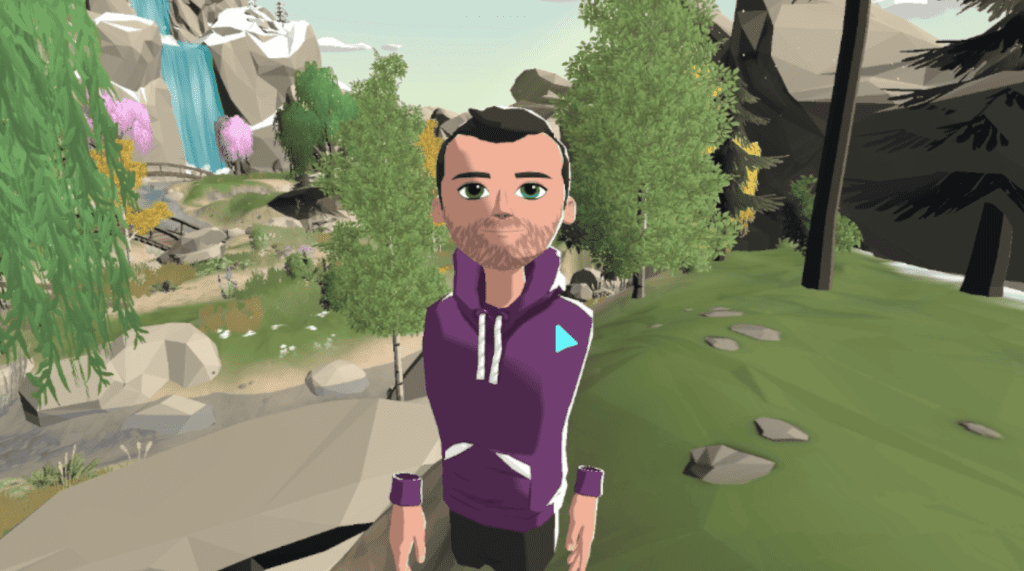
Metaverses are immersive virtual environments where people can interact and share experiences through technologies such as virtual reality. It is similar to a 3D video game, where users participate and communicate through avatars within these digital spaces. In this way, it is possible to explore stunning digital worlds, connect with others, and take part in experiences that blend the physical and digital realms. This type of technology opens new possibilities in areas such as education, entertainment, collaboration, and brand experiences, creating new ways of interaction and connection with content.
Following the scaling back of initiatives such as Meta Horizon Worlds by Meta, a perception emerged that the metaverse had failed. However, the reality is more nuanced: metaverses did not disappear — they evolved. Today, they have consolidated into a more niche ecosystem, with active communities and steady growth.
Long before these initiatives, established platforms such as VRChat, Roblox, and Spatial already existed and continue to grow with highly engaged communities.
Today, these environments function as ideal spaces for innovative, high-impact experiences, whether for brand events, VR showrooms, product launches, cultural experiences, or virtual spaces for exclusive communities.
Virtual reality enhances these experiences, allowing users not only to observe but to actively participate within the environment.
At the same time, these experiences can be adapted to be accessible from smartphones or computers, expanding their reach and enabling broader participation.
Within these environments, it is possible to integrate interactive experiences such as video games or advergames (advertising games), where users actively engage with the brand, increasing both engagement and brand recall.
Today, the value lies not in mass adoption, but in creating memorable experiences.
Virtual worlds allow brands to differentiate themselves, build deeper connections, and position themselves as innovative.
The technology continues to evolve, with ongoing improvements in accessibility, graphical quality, and interaction. While growth has been more gradual than initially projected, these environments continue to open opportunities in sectors where experience and storytelling play a central role.